2. Exam Topic and Writing Style
As we say in the last point, the goal of writing a creative piece within the exam is to get a complete piece of writing at a high standard within the time frame provided out, not to write a fantastic paragraph but incomplete piece.
However, when you're practicing (now up to your exam day), your goal is to write the best writing you've ever done even if you spend a lot of time on it.
Why?
Well, by aiming to write well, you'll improve your writing skills, which will be indispensible within the exam.
Now let's look at the style of how you should approach the exam.
Step 1 – Preparation
When? Before the exam. Why? Build your writing skills and confidence for the exam.
The below steps are things to be done in the exam. The time frame provided is for a 20-minute exam but I've also put them in fractional form.
Step 2 – Read and Understand the Questions (1 seconds minute – 1/20)
Why? It will allow you to correctly plan and write to answer the question.
Step 3 – Planning (3 minutes – 3/20)
Why? It sets the structure and direction of your writing piece.
Step 4 – Writing (12 minutes – 6/10)
Remember to have a solid structure with:
- Introduction (3 minutes),
- Middle -main event (8 minutes), and
- End (1 minute).
Step 5 – Review (4 minutes, 1/5)
Why? To fix up any minor mistakes and polish up your writing and if required, _choosing a title that encompasses your whole writing piece. _
Now, let's look at the style of creative writing. It's distinct from other writing because it is:
- Fiction generally although creative writing could be based around non-fiction events.
- Sets an atmosphere.
- Uses adjectives and shows as opposes to tells.
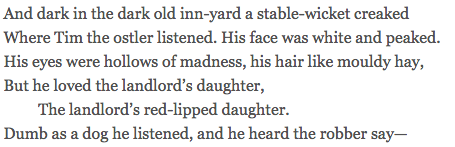
Let's look at some writing genres now – which ones are creative writing stories and why?
Extract 1
Extract 2
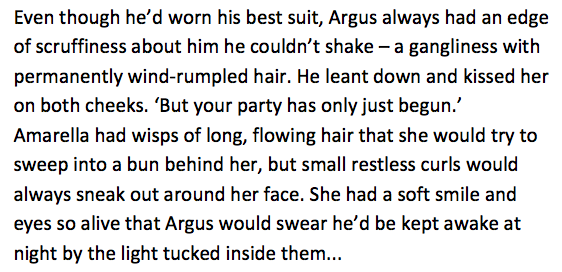
Extract 3
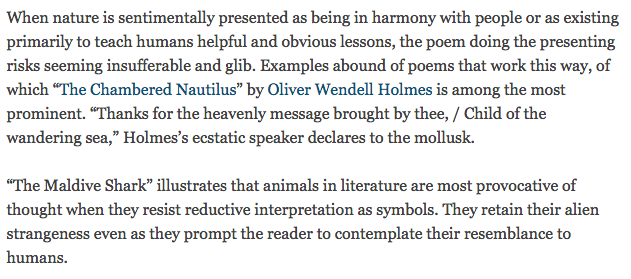
Extract 4
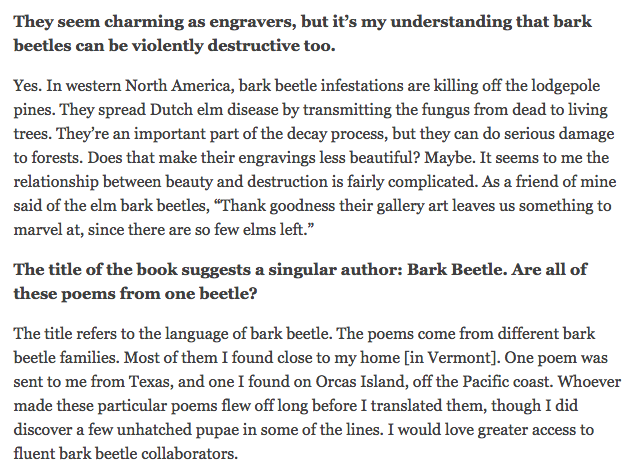
Sources:
http
http
http
The remarkable secret of Aurelie Bonhoffen by Deborah Abela (p. 19).
Topic
The exam topic/question is the hardest bit because it is unknown until the exam.
The most important thing is that you revolve your story around the topic. That means the topic must be central. How is something central? The topic must permeate throughout in the beginning, middle and end, and/or the main event is around it.
Let's check out the following examples:
| Topic | Story is about… | Topic is Central? |
|---|---|---|
 |
Going on an excursion on a train and I've lost my teacher. We pass through the woods.A wombat who lives deep in the woods aims to cross the train line to the other side but gets scared often. | No. Passing instance.Yes. The woods and the train line are central in setting and in main event. |
 |
Finding a hidden treasure in a lake and using a rowboat with a friend to get there.Competing in a rowing competition and practicing up to the lead up. | No. Passing instance.Yes. The main event and also the lead up relate to the image. |
 |
Winning tickets to a concert however, has a fight with friend. Attend the concert themselves.Attending a concert to see "Death Adda" and feeling helpless when getting caught in a mosh pit. | No. While the concert is the conclusion, the main event is breaking up with the friend.Yes. Setting and main event relate to the concert setting. |
 |
Getting lost in the city and finally getting to the visitor information to get a map.Landing in Paris and navigating through major landmarks with a map. At the Eiffel tower, the map flies away. | No. Map here is an acquisition.Yes. Map should feature centrally, the map should then relate to the landmarks to make it central. |
Key Rules to remember:
- Approach – remember the 5 steps and the time frame – adjust for your exam time.
- Creative must be creative – think of a movie, generally fiction and with description.
- The topic must permeate throughout in the beginning, middle and end, and/or the main event is around it – topic is central in your writing.
Now it's time to do your assignment.
- Download the assignment question here.
- Print it out or if you want to do it electronically, save it.
- Complete the questions to it.
- Then check the solutions on the video below.
- To get the worded solutions/sample essays, download them here.